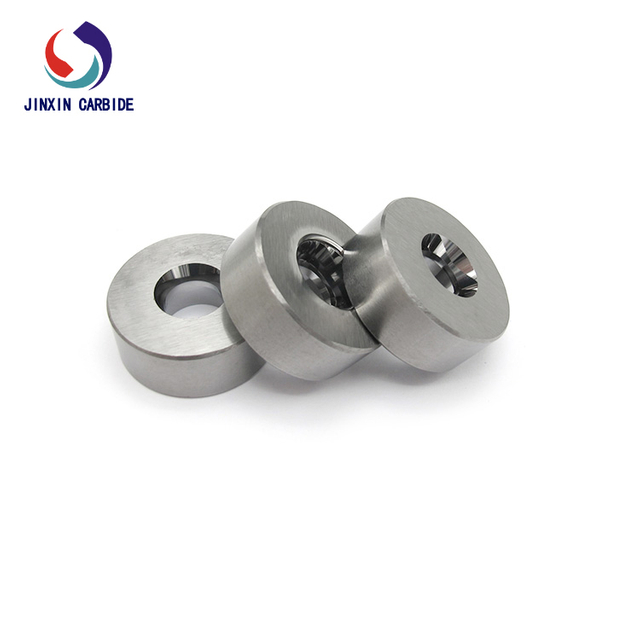
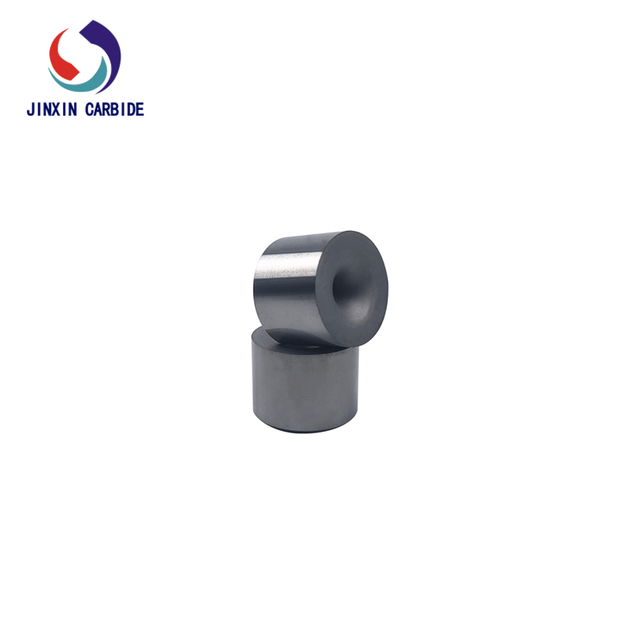
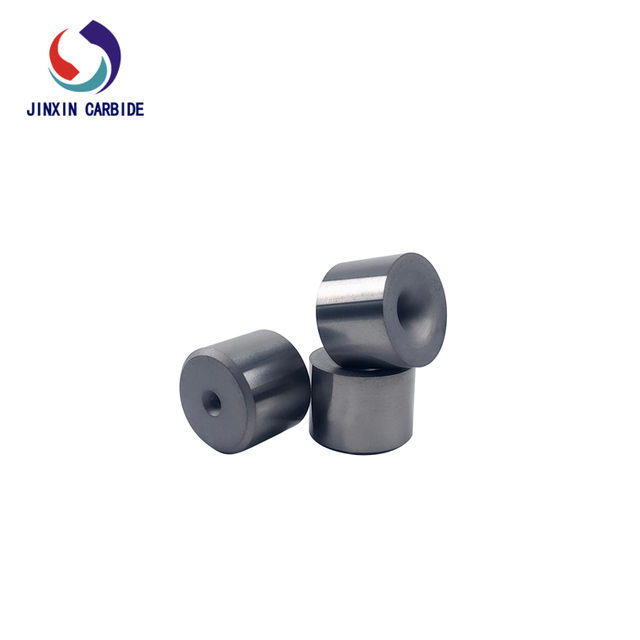
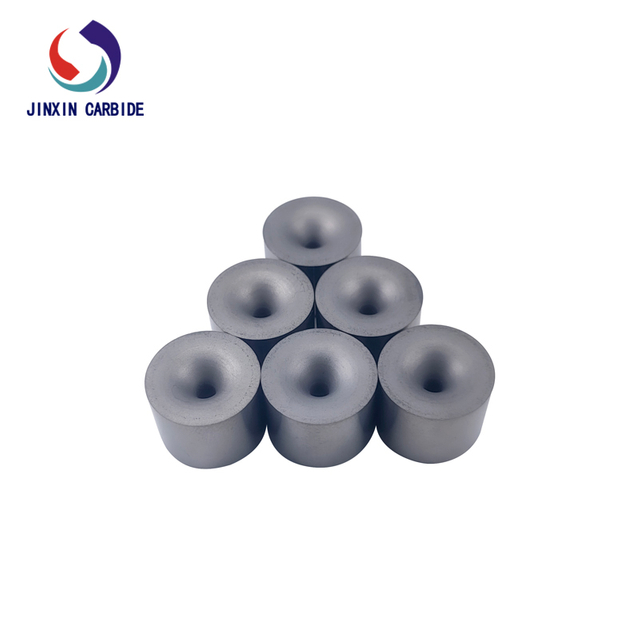
Tungsten Carbide Wire Drawing Dies: Small Hole, Big Job
Every copper cable, steel rope, and spring wire starts by being pulled through a hole smaller than itself. That hole lives in a tungsten carbide wire drawing die—the unsung workhorse of metal wire production.
Tungsten carbide wire drawing die made of tungsten carbide (WC) grains bonded with cobalt, these dies hit HRA 87–93 hardness. Common grades: YG6 (hard, wear-resistant) to YG15 (tougher, shock-resistant). Cheaper than diamond, far tougher than steel.
The Bore Has 5 Zones
Entrance → lubrication → reduction zone (where wire shrinks) → sizing zone (sets final diameter) → exit relief. A few microns off here means out-of-round wire, drag marks, or premature wear.
Why Carbide Wins?
Option
Best for
Tool steel
Throwaway, thick pre-draw
Carbide
Mainstream Cu/Al/steel wire, best cost-per-km
PCD / Diamond
Ultra-fine wire, max uptime
Where You See Its Output
Power cables, wire rope, welding wire, spring wire, medical stainless wire, fastener stock. From ~20 mm rod down to ~0.1 mm filament.
How to Make It Last?
Descale wire before drawing (scale = die killer)
Keep lubrication flowing
Align the die holder—eccentric load chips the bore
Don’t over-reduce per pass (15–25% area drop is typical)
Re-lap on schedule instead of running to failure
A tungsten carbide wire drawing die is small enough to hold in one hand, yet it quietly defines the quality of almost every metal wire around us. It is not the most exotic material in the shop, but it is arguably the most dependable. Get the grade right, the geometry right, and the lubrication right—and this unassuming piece of “tungsten steel” will draw millions of meters before it ever asks to be replaced.
Taking the construction group company as the development blueprint, Jingxin Group will focus on the development of cemented carbide, mining machinery, engineering tools, auto parts, new energy, and leisure sports equipment industries.

 +86-18073319589