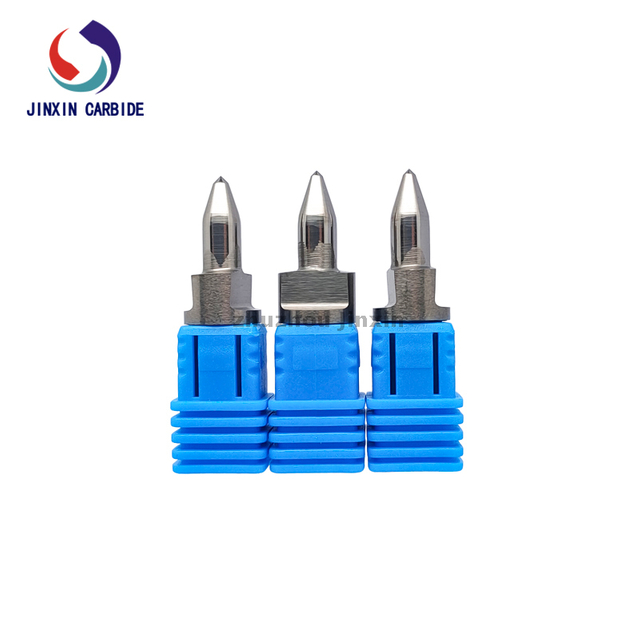
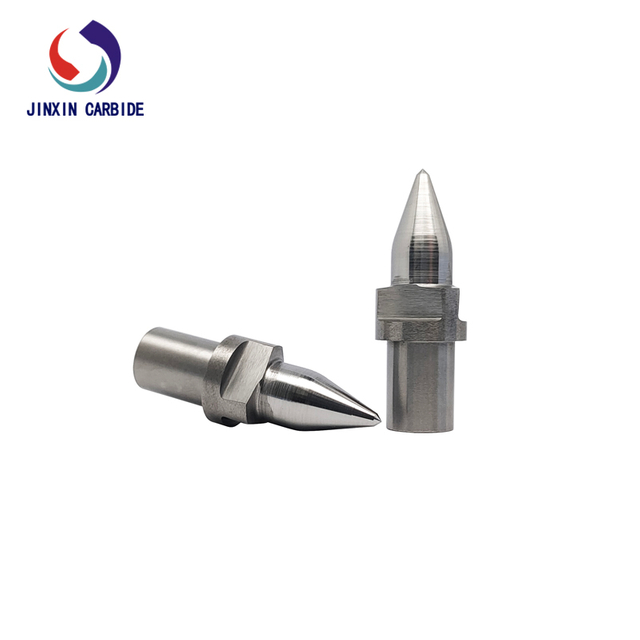
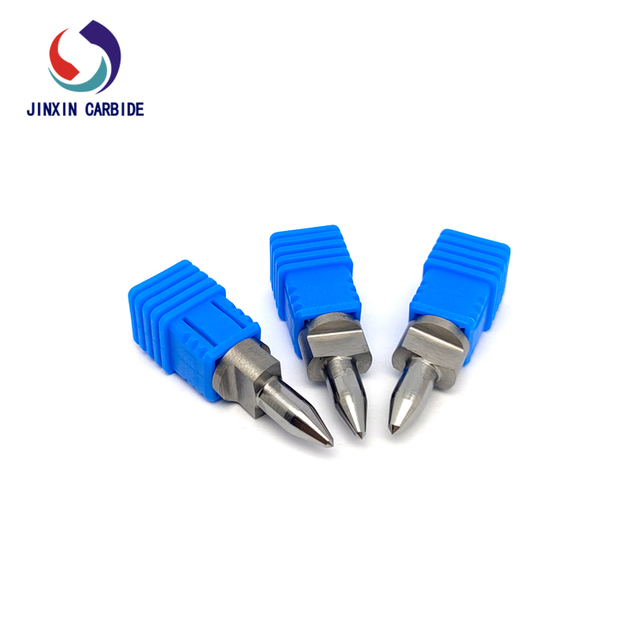
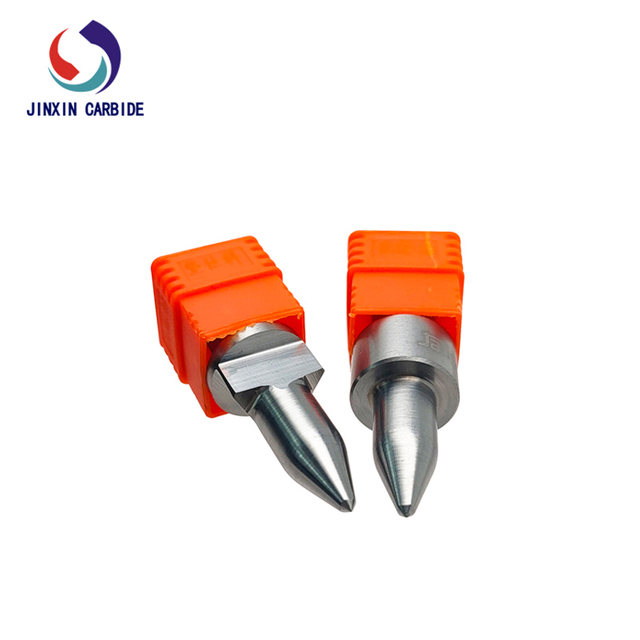
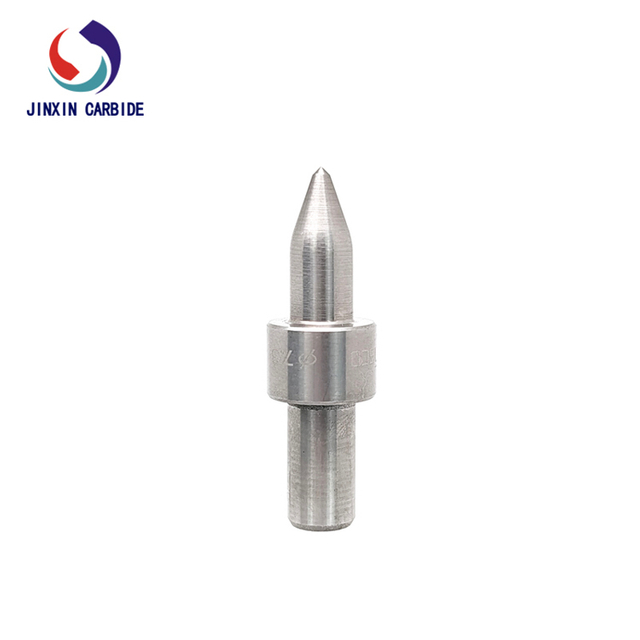
How Hot Melt Drills Work
When the drill rotates at high speed:
Friction generates heat.
The workpiece material softens.
Material is displaced rather than removed.
A sleeve or bushing is formed around the hole.
Threads can then be tapped into the formed bushing.
This process creates a hole with several times the material thickness available for threading.
Main Applications of Hot Melt Drills
1. Automotive Industry
Hot melt drills are widely used in:
Vehicle frames
Exhaust systems
Seat structures
Chassis components
Truck bodies
Benefits:
2. Steel Furniture Manufacturing
Applications include:
Office desks
Metal cabinets
Shelving systems
Storage racks
Advantages:
3. Bicycle and Motorcycle Frames
Used for:
Benefits:
4. HVAC and Ventilation Systems
Applied to:
Air ducts
Ventilation frames
Support brackets
Advantages:
Fast hole formation
No chips to clean
High productivity
5. Solar Mounting Systems
Used in:
Benefits:
6. Construction and Structural Fabrication
Suitable for:
Steel tubes
Hollow sections
Handrails
Scaffolding systems
Advantages:
7. Electrical Equipment Manufacturing
Applications include:
Control cabinets
Electrical enclosures
Mounting brackets
Busbar supports
Benefits:
Materials Suitable for Hot Melt Drilling
Hot melt drills can be used on:
Advantages of Hot Melt Drills
Increased Thread Strength
The formed bushing can be 2–4 times the original material thickness, providing stronger threads.
No Chips
Unlike conventional drilling, no chips are produced, reducing waste and cleanup.
Higher Productivity
Drilling and bushing formation occur in a single operation.
Cost Savings
Improved Joint Reliability
The formed collar provides excellent support for tapped threads.
Why Use Tungsten Carbide Hot Melt Drills?
Many high-performance hot melt drills use tungsten carbide tips because they offer:
Excellent wear resistance
High-temperature stability
Longer tool life
Better performance on stainless steel and high-strength materials
Hot melt drills are ideal for creating strong threaded holes in thin-walled metal sheets, tubes, and profiles. They are extensively used in automotive, furniture, HVAC, solar energy, construction, and electrical industries because they improve thread strength, reduce manufacturing costs, and eliminate the need for additional fastening components. For high-volume production, tungsten carbide hot melt drills provide the best combination of durability, efficiency, and performance.

 +86-18073319589