Corn Milling Cutters: The “Chip-Clearing Champions” of Cavity Machining
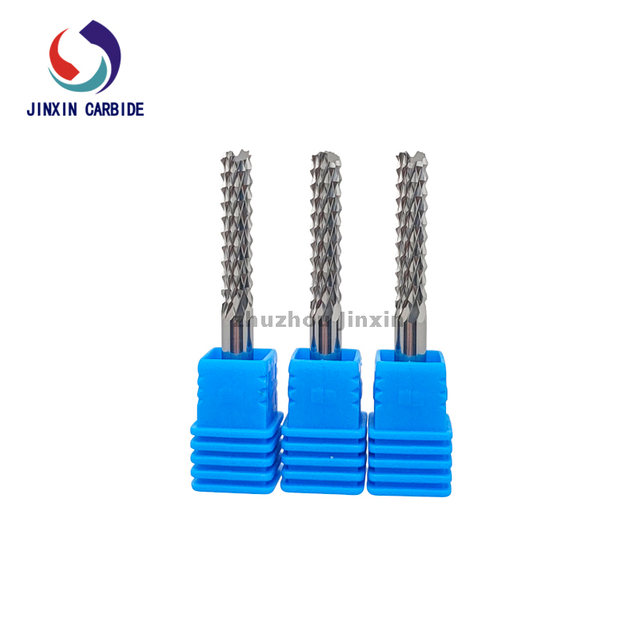
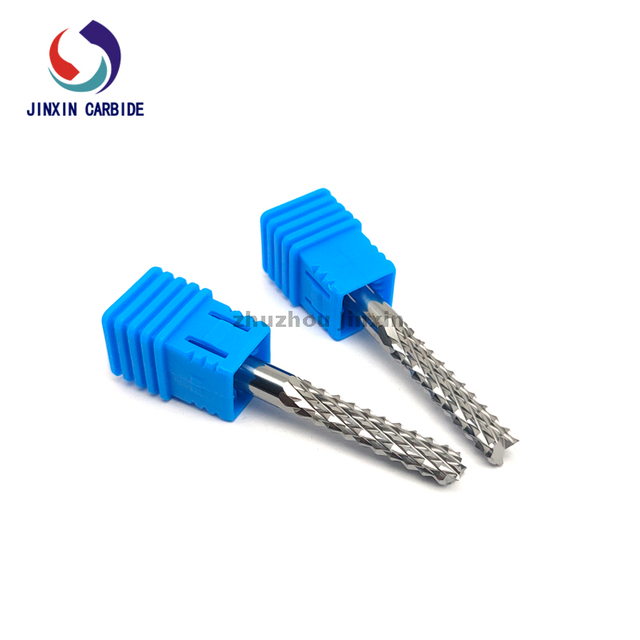
In the world of CNC machining, the choice of cutting tool often determines the efficiency and success of the machining process. When faced with tasks involving deep cavities, narrow slots or the removal of large amounts of material, there is one type of cutting tool that consistently stands out as the ‘favourite’ of programmers and machine operators alike — the corn milling cutter, also known as the indexable helical-fluted corn milling cutter or wave-fluted milling cutter.
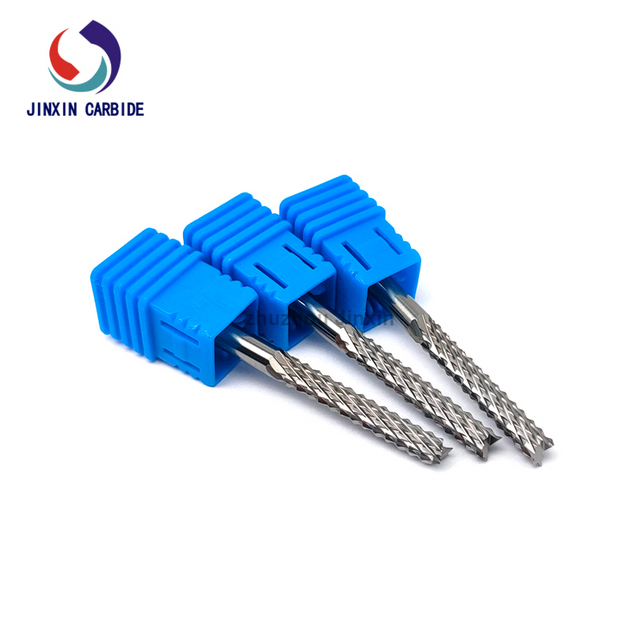
As the name suggests, the body of this milling cutter features concentric spirals of cutting edges resembling the shape of a corn cob. This unique shape is not merely for aesthetic purposes, but rather a brilliant example of engineering design. Today, we’ll take an in-depth look at the key advantages of the corn milling cutter.
Superior chip evacuation: the solution to deep-pocket machining
This is the feature of which the corn milling cutter is most proud. When machining deep pockets, the greatest challenge faced by traditional flat-bottomed end mills is ‘chip jamming’. Chips accumulate in the flutes and cannot be evacuated in time; this not only scratches the machined surface but, in severe cases, can lead to chipping or even breakage of the tool.
The corn milling cutter employs a segmented helical cutting edge design. Its chip flutes are deeper and more unobstructed than those of standard milling cutters. More importantly, this special wave-shaped cutting edge generates an axial thrust during cutting, acting like a ‘conveyor belt’ to continuously push chips towards the exit. When machining deep grooves and cavities, it effectively prevents chip blockages, ensuring a smooth and safe machining process.
2. Heavy-duty cutting and high feed rates: an efficiency booster
Corn milling cutters typically employ an insert-mounted design (where the inserts are mounted on the cutter body); the inserts are usually made of cemented carbide (such as the YG6X mentioned earlier or coated inserts), whilst the cutter body is made of high-strength alloy steel.
As the cutting edges are arranged in a wavy, intermittent pattern, each insert enters and exits the workpiece in segments during cutting. This design significantly reduces the length of the cutting edge actively engaged in the cutting process, thereby substantially lowering cutting resistance (cutting force). For a given machine tool power rating, corn milling cutters can utilise greater cutting depths (Ap) and higher feed rates (F), making them particularly suitable for the removal of large amounts of material during the rough machining stage of moulds, and capable of significantly shortening machining cycles.
3. Excellent heat dissipation, extending tool life
Although intermittent cutting may sound as though it would subject the tool to impact, for corn milling cutters, this is precisely where their advantage lies. After each cutting action, there is a ‘downtime’ during which the cutting edge is clear of the workpiece, allowing it to come into contact with coolant (or be air-cooled), thereby rapidly dissipating heat.
This ‘cut–cool–cut’ cycle effectively prevents heat build-up at the cutting edge caused by prolonged continuous friction, reduces thermal wear and thus extends the tool’s service life.
4. High cost-effectiveness: replace the insert, not the tool
Compared to solid carbide milling cutters, corn milling cutters typically employ a modular or indexable design. Should a particular cutting edge become worn or damaged, only the corresponding insert needs to be replaced, without the need to scrap the entire, expensive tool body. Furthermore, most inserts feature multiple cutting edges (such as four-cornered edges); once an insert becomes blunt, it can be rotated to a different angle and continue to be used. This ‘replace the insert, not the cutter’ feature significantly reduces a company’s tool inventory and procurement costs.
5. Smooth cutting and strong vibration resistance
Corn milling cutters typically have a large helix angle, and their cutting edges are arranged in an interlaced pattern. This ensures a more even distribution of cutting forces in the circumferential direction, avoiding the impact sensation associated with conventional milling cutters that ‘cut all the way through in a single pass’. When machining slender workpieces or under conditions of long overhang, corn milling cutters often exhibit superior vibration resistance compared to standard end mills of the same specification, resulting in better surface finish (although this is rough machining, excessive vibration can still affect accuracy).
Typical Applications of corn teeth endmill:
Mould manufacturing: Roughing of large injection moulds and die-casting moulds.
Aerospace manufacturing: Rough machining of aluminium alloy or titanium alloy structural components.
General machinery: Machining deep grooves, stepped surfaces and removing large amounts of stock.
Recommendations for Use:
Avoid excessively high rotational speeds: As their outer diameter runout is slightly greater than that of solid cutters, and they are primarily used for rough machining, the linear speed (Vc) is typically set slightly lower than for finishing cutters.
Adequate cooling: Although heat dissipation is good, an ample supply of coolant must still be ensured during heavy cutting to flush away chips and assist with cooling.
Avoid finishing operations: Corn milling cutters are primarily used for rough machining; the surfaces they produce will retain a wavy texture, which must be addressed in subsequent semi-finishing and finishing operations.
Corn milling cutters are like ‘bulldozers’ in the field of metalworking; their primary objective is not surface finish, but rather, thanks to their remarkable ‘appetite’ (large cutting depth) and efficient ‘digestive capacity’ (rapid chip removal), they dominate the rough machining stage. If you are struggling with chip removal issues during deep-pocket machining or if you find roughing-out too time-consuming, why not give this ‘Corn Warrior’ a go? It might just surprise you.
Taking the construction group company as the development blueprint, Jingxin Group will focus on the development of cemented carbide, mining machinery, engineering tools, auto parts, new energy, and leisure sports equipment industries.

 +86-18073319589