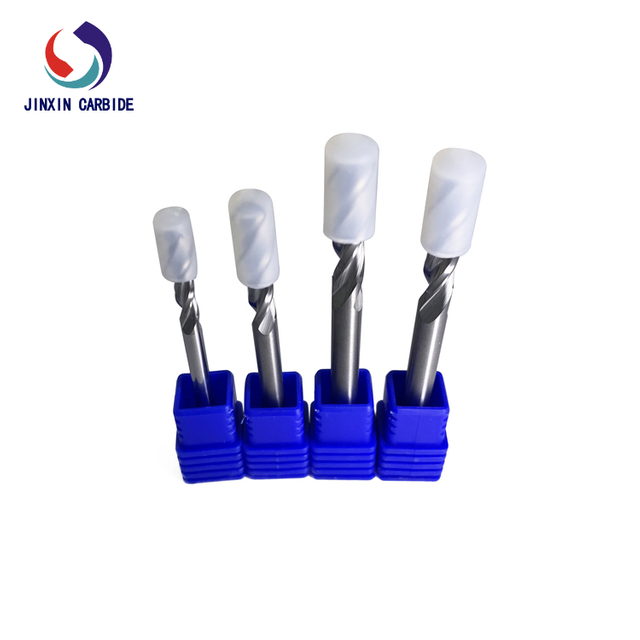
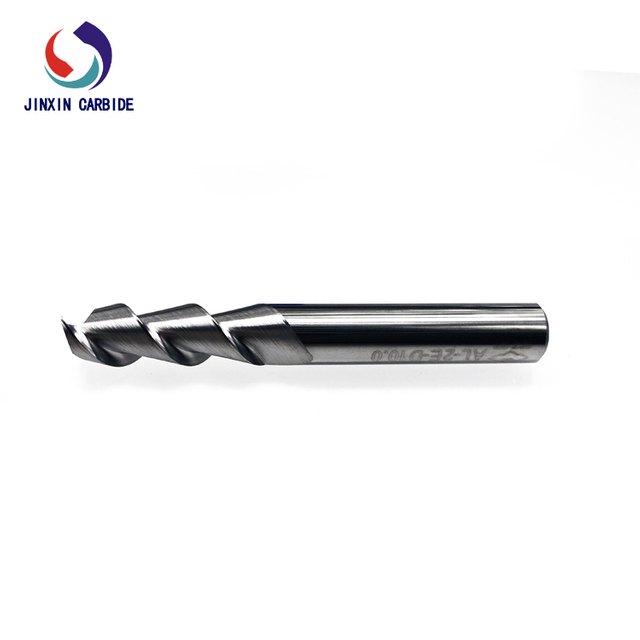
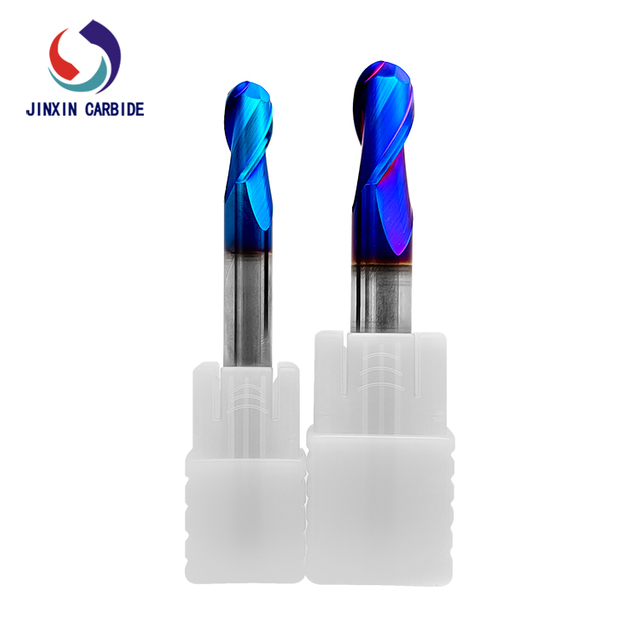
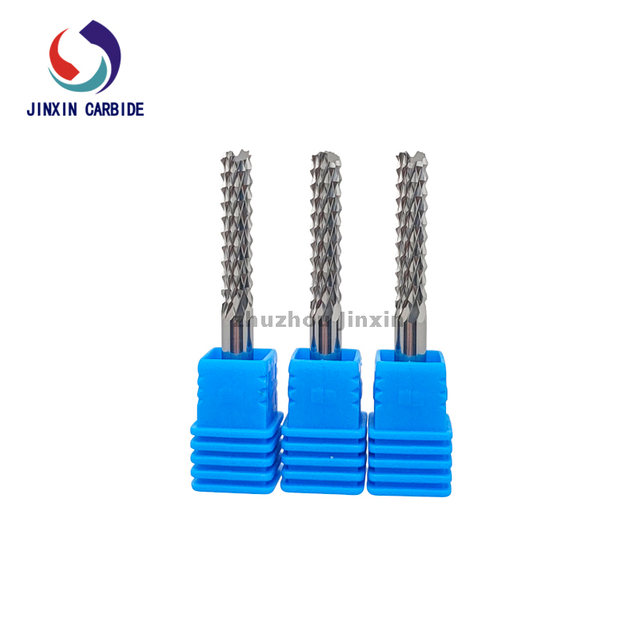
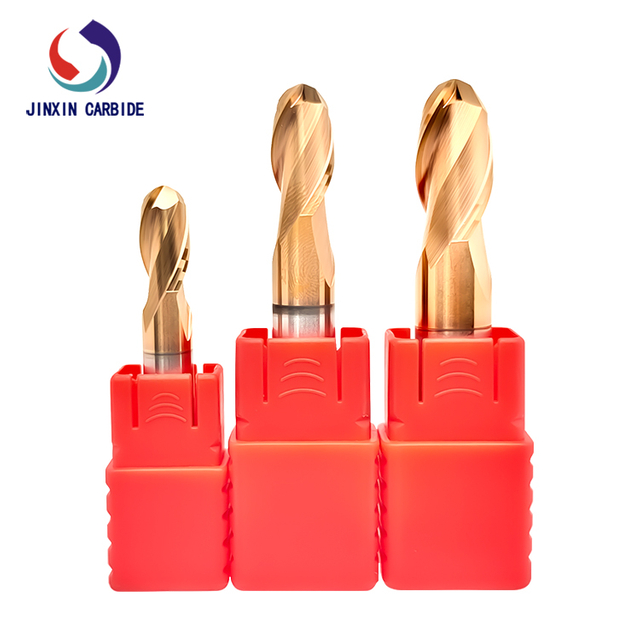
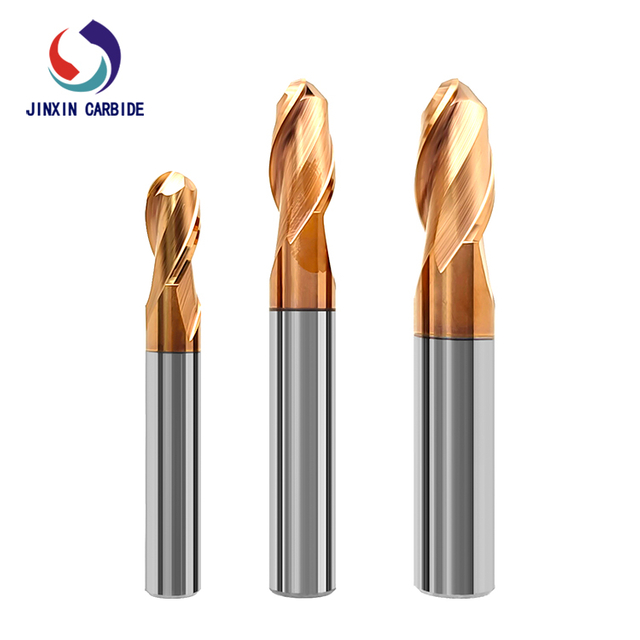
HRC 60 Tungsten Carbide Endmills for Steel Cutting
End mills are mainly used on vertical milling machines to process grooves and terraces, and they can also be used to process shaped surfaces. Used for processing grooves and stepped surfaces, etc. It is made of micro-particle tungsten steel base material, which has higher wear resistance and strength. It belongs to the exclusive milling cutter for high-strength high-speed cutting applications. Advantage :Sharp cutting edge, smooth drainage
Tungsten carbide milling cutters (commonly known as tungsten steel milling cutters) are the "main force" of CNC machining centers. They are made of tungsten carbide as the base material. Due to their high hardness, high wear resistance and high temperature resistance (about 800℃), they completely outperform traditional high-speed steel cutting tools in terms of efficiency.
Tool Body Hardness:
The cemented carbide substrate has extremely high hardness (approximately HRA 89–93, equivalent to approximately HRC 70–80). “HRC 60 milling cutters” available on the market typically refer to tools that have undergone special heat treatment or feature a specific substrate formulation, with an overall flexural strength suitable for cutting under high-hardness conditions (HRC 60), making them less prone to chipping.
Upper Machining Limit: These tools are typically paired with coatings such as TiAlN (titanium aluminum nitride) and are claimed to be capable of directly machining quenched mold steel and tool steel with hardness ranging from HRC 50 to 60.
HRC 60 tungsten carbide endmill Applications: Specially Designed for Tackling Tough Challenges
These milling cutters are indispensable tools in mold manufacturing and precision machining, primarily used in the following demanding applications:
Applications
Examples of Typical Materials
Description
Hardened Mold Steel
SKD11, D2, Cr12MoV, H13
Allows direct machining of heat-treated molds, eliminating the cumbersome process of annealing, machining, and re-hardening.
High-Hardness Structural Components
Bearing steel (GCr15), high-speed steel
Used for finishing bearing seats, gear end faces, and similar parts.
Carbide Pre-machining
Tungsten carbide blanks
For roughing only; finishing requires higher-grade tools.
Important Note: This tool is not suitable for machining soft metals such as aluminum and copper. Soft materials can cause tool sticking (chip buildup), leading to poor chip evacuation and accelerated tool wear.
Taking the construction group company as the development blueprint, Jingxin Group will focus on the development of cemented carbide, mining machinery, engineering tools, auto parts, new energy, and leisure sports equipment industries.

 +86-18073319589