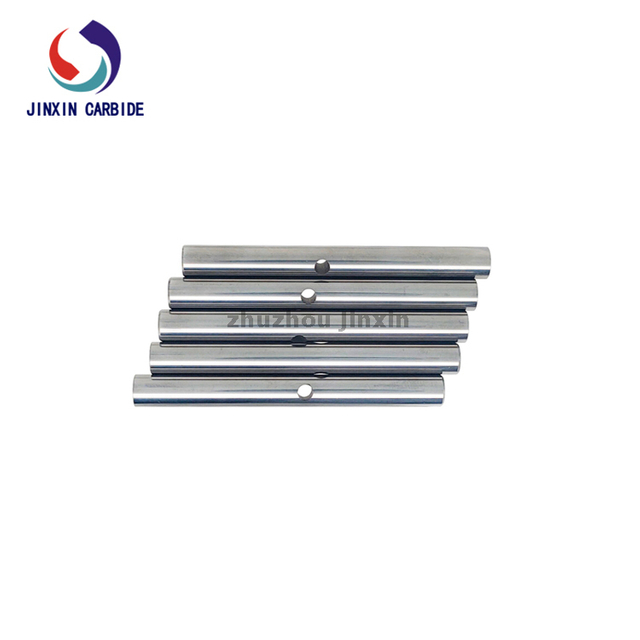
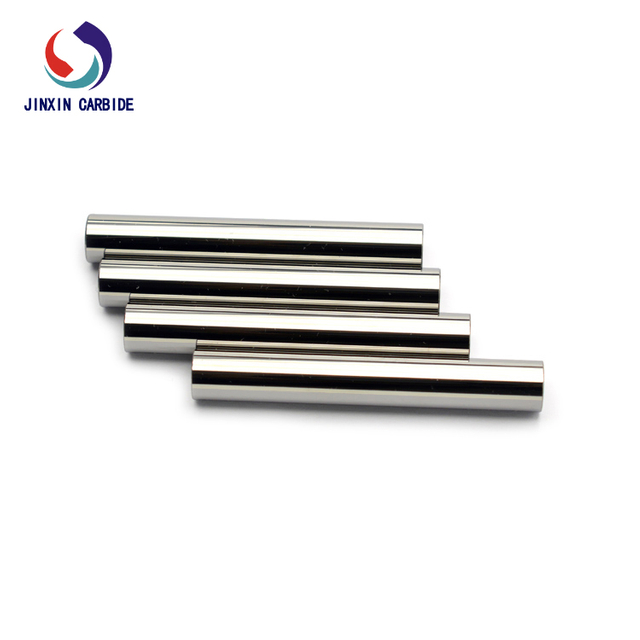
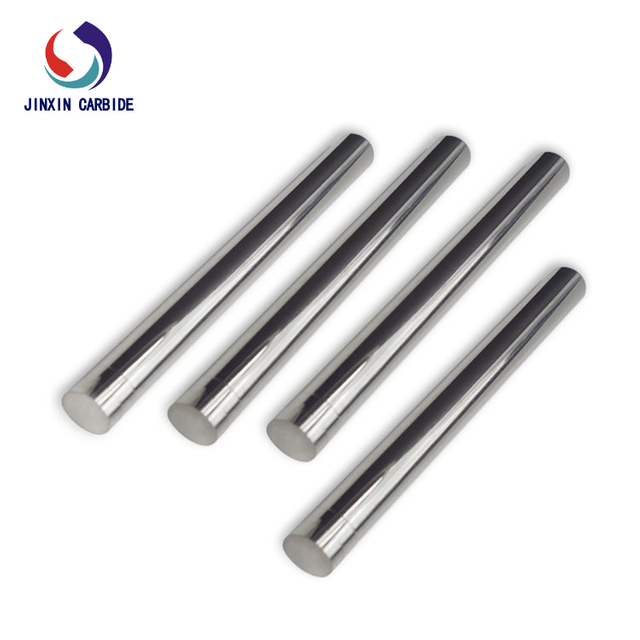
With the advancement of precision manufacturing technologies and the growing demand for miniaturized machining, small-diameter cemented carbide rods (typically ranging from 0.1 mm to 3.0 mm in diameter) have gradually become a critical material in high-end manufacturing. Thanks to their exceptional hardness, wear resistance, and stability, these products are widely used in a variety of precision tools and critical components.
Cemented carbide is a type of hard alloy produced through powder metallurgy processes using tungsten carbide (WC) and metallic binders such as cobalt (Co). Micro-diameter round bars, built upon this foundation, impose even higher demands on microstructure and performance:
•Ultra-fine grain structure (0.2–0.6 μm): Enhances bending strength and toughness
•High hardness (HRA 92–94): Ensures excellent wear resistance
•High dimensional accuracy and surface finish: Meets micron-level machining requirements
•Excellent fracture resistance: Suitable for high-speed, high-precision machining environments
Main Application Areas
1. Micro-cutting tools
The core application of micro-diameter round bars is the manufacture of micro-cutting tools, such as:
•Micro end mills (φ0.2–2.0 mm)
•Micro drills (PCB drilling, precision hole machining)
•Engraving tools, watchmaking tools
These tools are widely used in:
•3C electronics (internal components of mobile phones and tablets)
•Precision mold machining
•Watchmaking and jewelry industries
Particularly in PCB manufacturing, micro drills demand extremely high wear resistance and stability from the material, making cemented carbide micro rods the preferred choice.
2. Medical Devices
In the medical field, small-diameter carbide round bars are used to manufacture high-precision tools, such as:
•Minimally invasive surgical instruments
•Orthopedic drill bits
•Dental turning tools
These products are typically closely related to medical device engineering and demand extremely high standards for material safety, corrosion resistance, and machining precision.
3. Precision Machining in Aerospace
In the aerospace industry, difficult-to-machine materials (such as titanium alloys and nickel-based superalloys) are widely used, placing stringent demands on tool performance. Small-diameter cemented carbide tools can be used for:
•Precision hole machining
•Microstructure machining
•High-precision part finishing
Their high rigidity and high-temperature resistance make them indispensable in high-end manufacturing.
4. Mold and Precision Parts Machining
In the precision mold industry, small-diameter carbide rods are used to manufacture:
•Micro-electrodes (for EDM)
•Precision punches and ejectors
•Small-sized special-shaped cutting tools
Particularly in electrical discharge machining (EDM), there are high requirements for the stability and electrical conductivity of electrode materials.
5. Applications in Emerging Fields
With technological advancements, the applications of small-diameter carbide rods continue to expand:
•Semiconductor Manufacturing: Auxiliary tools for wafer processing
•Optical Industry: Machining of precision molds and lens components
•New Energy Vehicles: Battery electrode mold and microstructure machining
In the future, the development of small-diameter cemented carbide round bars will primarily focus on the following areas:
•Smaller diameters (≤0.05 mm): To meet extreme micro-machining demands
•Higher precision (tolerance ±0.001 mm)
•Integration of coating technologies (e.g., AlTiN, DLC): To extend service life
•Development of high-performance grades (balancing ultra-high toughness and high hardness)
As a foundational material for precision machining, micro-diameter cemented carbide round bars have become an indispensable component of modern manufacturing. Their applications continue to expand across sectors ranging from electronics and medical devices to aerospace. In the future, with the advancement of micro- and nano-machining technologies, market demand and technical standards for these products will continue to rise.

 +86-18073319589